Jasmine Andrade
[ad_1]
Picture Credit rating: Carlos Barria / reuters
Meta / Fb
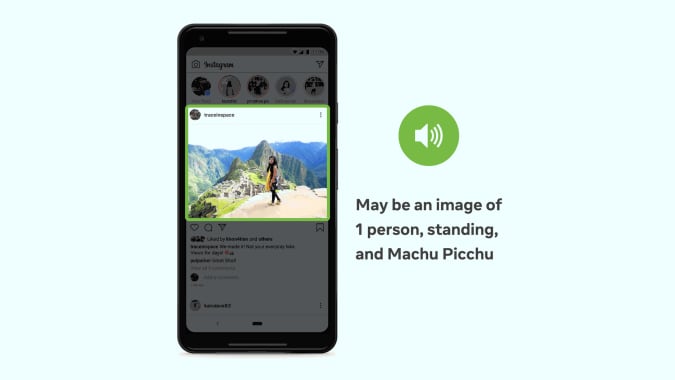
Amid all the drama surrounding Facebook, its whistleblower and its rebrand this calendar year, it is straightforward to forget about the company’s accessibility-connected updates. At the commence of 2021, the firm updated its Automated Alt Textual content (AAT) procedure to acknowledge about 1,200 objects and concepts in photographs on Instagram and Facebook. In accordance to Meta, this represented a 10x improve given that AAT’s debut in 2016. It also rolled out additional options to Fb on iOS that presented more specific descriptions like positions of objects in a photograph and their relative dimensions.
Sadly, as it pushed out these updates, Facebook may have broken some accessibility features alongside the way. Rachfal claimed that when the enterprise turned off its facial recognition process this year, it led to fewer-informative descriptions for people who are blind or have reduced-eyesight. Rachfal claimed this adjust “was accomplished thanks to privateness concerns,” and he believes these conclusions ended up made without the need of taking into consideration accessibility and the incapacity neighborhood. “Nor were they provided the identical bodyweight and consideration as privacy considerations,” Rachfal added.
Fb in November. In it, the company’s vice president of synthetic intelligence Jerome Pesenti wrote, “We will need to weigh the positive use scenarios for facial recognition against increasing societal issues, particularly as regulators have nevertheless to present very clear guidelines.”
Meta
In the put up, Pesenti acknowledges the crucial purpose deal with recognition performs in AAT to enable blind and lower-vision customers discover their close friends in photographs. But whilst some facial recognition applications, like identification verification, will keep on being, for the most component attributes like alerting people to photos perhaps such as them or automatically labeling their mates are heading absent. That’s for the two sighted and visually impaired consumers.
“We know the technique we’ve selected involves some…
[ad_2]
Go through far more below