Jasmine Andrade
[ad_1]
The acceptance of plant-based mostly proteins, or “pretend meat”, has improved in new yrs as shoppers glance to eat less animal goods. In simple fact, plant-centered protein is projected to be a A$3 billion opportunity for Australia by 2030.
Acquire Now | Our very best membership program now has a specific value
A lot of consumers consider these fake meats are far better for their well being, as perfectly as improved for the natural environment, but is that appropriate?
What is pretend meat?
It could audio noticeable, but the 1st point to say is that bogus meat is not meat. Referring to these merchandise as meat has been commonly criticised by the meat field, ensuing in a modern Senate Committee report recommending required regulation for the labelling of plant-based mostly solutions.
Fake meats tumble into two groups: plant-based proteins and cell-centered proteins.
The plant-primarily based burgers and sausages uncovered on supermarket shelves are manufactured by extracting the protein from plant meals, normally pea, soy, wheat protein, and mushrooms.
But a myriad of additives are wanted to make these products look and flavor like common meat.
For example, chemically refined coconut oil and palm oil are typically extra to plant-dependent burgers to assist mimic meat’s gentle and juicy texture. Colouring agents, such as beetroot extracts, have been made use of in Over and above Meat’s “raw” burger to mimic the color alter that takes place when meat is cooked. And the additive soy leghemoglobin, produced by genetically engineered yeast, has been used to produce the Unachievable Foods “bleeding” burger.
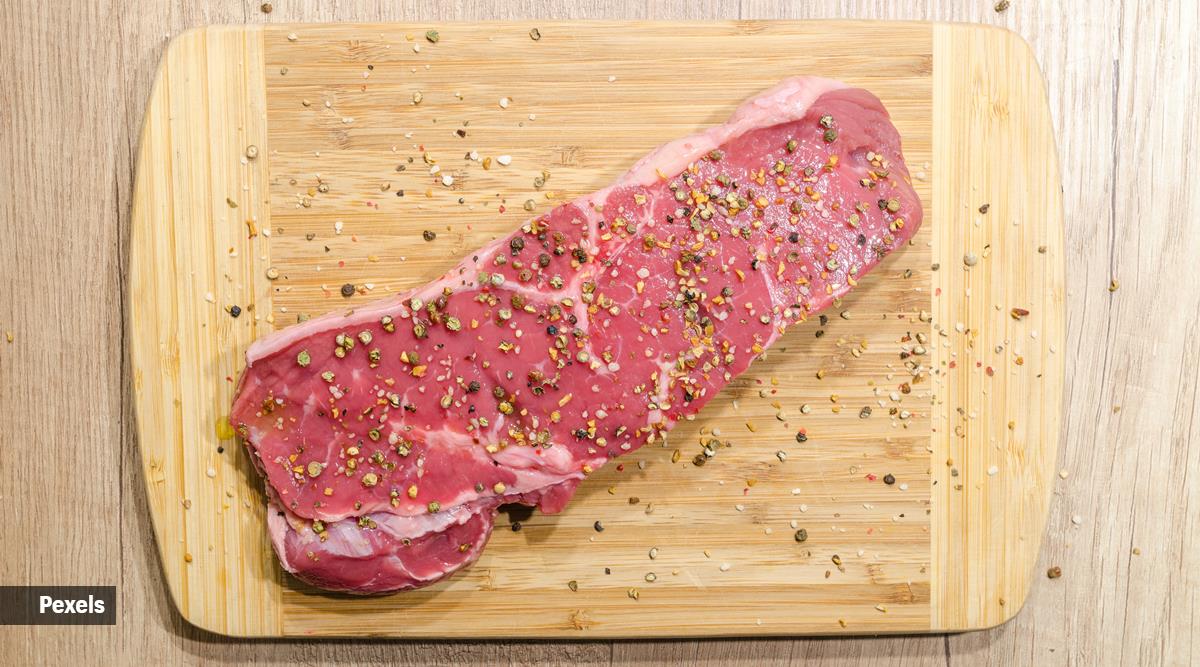

A thing not nevertheless readily available on grocery store shelves in Australia is cell-centered or “cultured” meat. This fake meat is made from an animal cell that is then grown in a lab culture to create a piece of meat. Although it may well seem like a much-off concept, Australia now has two mobile-primarily based meat producers.
Is fake meat more healthy? Not necessarily.
In superior news, an audit of around 130 merchandise available in Australian supermarkets identified plant-based solutions have been, on regular, reduced in calories and saturated unwanted fat, and greater in carbs and fibre than meat items.
But, not…
[ad_2]