Jasmine Andrade
[ad_1]
The acceptance of plant-primarily based proteins, or “bogus meat”, has enhanced in current many years as individuals glimpse to take in less animal products and solutions. In simple fact, plant-primarily based protein is projected to be a A$3 billion opportunity for Australia by 2030.
Acquire Now | Our very best membership plan now has a specific value
A lot of customers believe that these fake meats are superior for their wellbeing, as properly as far better for the surroundings, but is that suitable?
What is pretend meat?
It could audio evident, but the first factor to say is that phony meat is not meat. Referring to these items as meat has been greatly criticised by the meat industry, resulting in a new Senate Committee report recommending mandatory regulation for the labelling of plant-based products.
Pretend meats slide into two groups: plant-based proteins and cell-centered proteins.
The plant-primarily based burgers and sausages identified on supermarket cabinets are created by extracting the protein from plant foods, usually pea, soy, wheat protein, and mushrooms.
But a myriad of additives are required to make these products glimpse and taste like common meat.
For example, chemically refined coconut oil and palm oil are often added to plant-based mostly burgers to support mimic meat’s tender and juicy texture. Colouring brokers, these kinds of as beetroot extracts, have been made use of in Beyond Meat’s “raw” burger to mimic the color change that occurs when meat is cooked. And the additive soy leghemoglobin, developed by genetically engineered yeast, has been utilized to make the Unattainable Foodstuff “bleeding” burger.
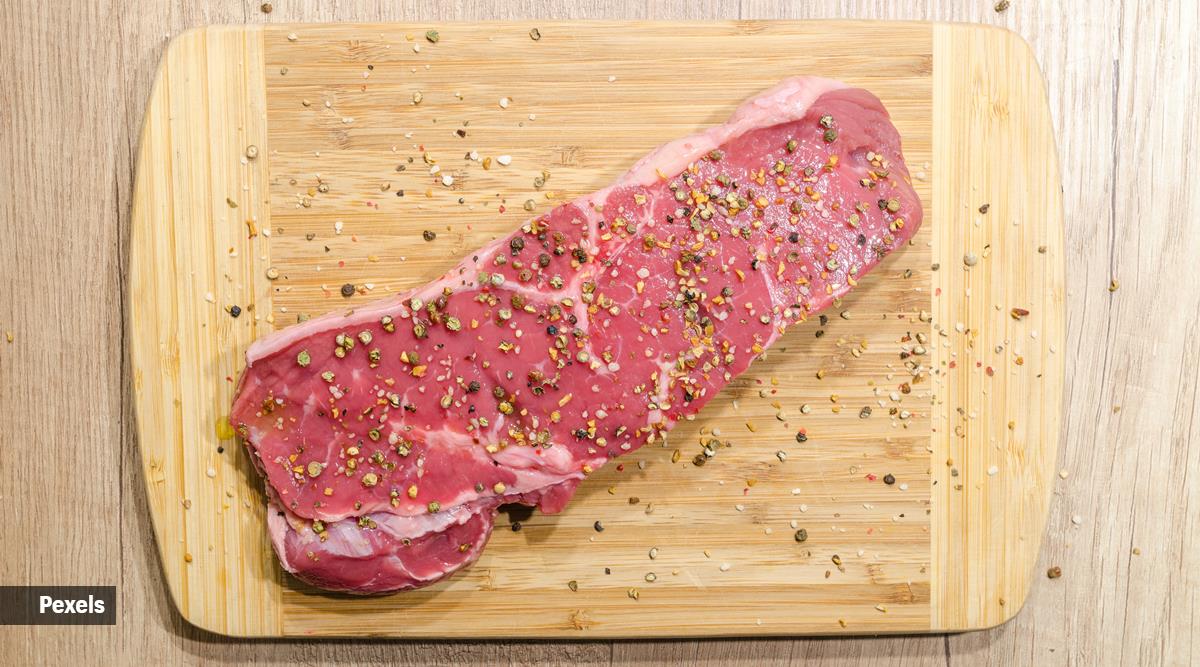 Not all plant-dependent goods are designed equal (Resource: Pexels)
Something not nonetheless readily available on grocery store shelves in Australia is cell-based mostly or “cultured” meat. This faux meat is designed from an animal mobile that is then grown in a lab tradition to produce a piece of meat. When it may seem like a considerably-off notion, Australia presently has two cell-dependent meat producers.
Is faux meat much healthier? Not essentially.
In excellent information, an audit of over 130 goods obtainable in Australian supermarkets uncovered plant-dependent items were, on common, lower in energy and saturated unwanted fat, and bigger in carbohydrates and fibre than meat goods.
But, not…
[ad_2]